





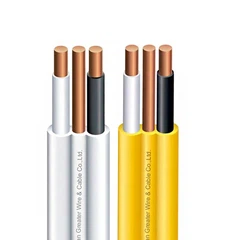


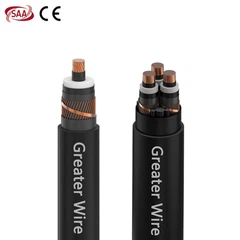


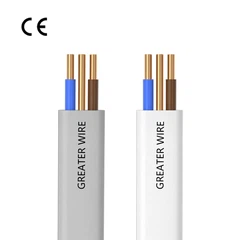


In the constantly evolving world of electrical and electronic engineering, one key factor that determines the safety, efficiency, and durability of any system lies in the quality of the wires behind it. Among the many types of cables, have carved out a unique reputation. Known for their exceptional heat resistance, flexibility, and long-term reliability, silicone wires are widely adopted in industries ranging from household appliances to aerospace engineering. Yet, within this family of wires, an important distinction emerges: single-core versus multi-core silicone wires. Understanding their structural differences and respective applications is essential for engineers, buyers, and project managers seeking the right solution.
?
. At its heart lies a finely stranded copper conductor-often bare or tinned copper-responsible for carrying electrical current. What distinguishes silicone wire from conventional PVC or PE insulated wires is its unique silicone insulation. Unlike rigid plastics, silicone rubber remains highly flexible, flame-retardant, and resilient-60 ℃ to +200 ℃. This property makes it ideal for demanding environments where other wires would crack, deform, or lose their dielectric strength.
refers to the conductor path within the wire. Silicone wires can be produced as single-coremulti-core, where several insulated conductors are bundled together under a common sheath. Both follow the same material foundation but serve different purposes in engineering practice.

Structural Differences: Single-Core vs. Multi-Core Silicone Wire
The key difference between single-core and multi-core silicone wire lies in their construction.
- Single-core silicone wire contains only one conductor encased in silicone insulation. Its design is straightforward, offering simplicity, lower manufacturing cost, and ease of installation in applications where flexibility and compact routing are less critical.
- Multi-core silicone wire, on the other hand, consists of multiple individually insulated conductors bundled together within an additional silicone sheath. This structure provides versatility, enabling multiple circuits or signals to be transmitted within a single cable.
This distinction translates directly into performance and usability. Single-core wires are often stiffer and easier to shape into fixed routes, whereas multi-core wires provide enhanced flexibility, reduced clutter, and higher efficiency when multiple electrical paths are required in the same system.
Applications in Real Scenarios: When to Choose Single-Core or Multi-Core
, whether single-core or multi-core, play crucial roles across industries, but their application scenarios differ significantly.
Single-core silicone wires are commonly used in:
- , such as household wiring, switchboards, and control cabinets, where clear and dedicated electrical pathways are essential.
- High-voltage industrial machinery, where thicker insulation and simplified routing make single-core wires a reliable option.
- , like lighting systems or panel connections, where flexibility is not a major requirement.
Multi-core silicone wires, in contrast, are often chosen for:
- , where flexibility and multi-signal transmission are vital.
- , which demand compact, lightweight, and highly reliable cabling to accommodate multiple functions in limited space.
- , such as 3D printers or smart kitchen devices, where multiple circuits can be handled efficiently with fewer cables.
The difference in applications is clear: single-core wires excel in simplicity and robustness for dedicated routes, while multi-core wires shine in complex, compact, and dynamic systems where versatility and flexibility are indispensable.
Choosing between single-core and multi-core silicone wire requires more than just a glance at specifications. Engineers should carefully analyze the demands of the project.
- – Consider whether the system is exposed to high heat, constant motion, or chemical agents. Multi-core wires generally offer better mechanical flexibility, while single-core designs are better suited for fixed installations.
- – Voltage ratings, conductor size (AWG), and current capacity must be matched to the system load. For example, a 14 AWG single-core silicone wire may be perfect for power delivery in heating devices, while a 26 AWG multi-core cable might serve as a signal wire in robotics.
By balancing these factors, engineers can select the optimal wire that ensures safety, efficiency, and long service life.
Although silicone wires are remarkably durable, proper handling and usage are essential to maximize their performance. Avoid bending the wires beyond their recommended bending radius, as this can strain the conductor and insulation. Keep them away from sharp metal edges without protective grommets. Additionally, when terminating silicone wires, ensure connectors are rated for high temperatures and that stripping tools do not damage the flexible insulation. Regular inspection in dynamic systems-like robotics arms or moving machinery-helps prevent wear-related failures.
Dongguan Greater Wire & Cable Co., Ltd., we understand the complexity of modern wiring demands. That is why we invest heavily in , covering every step from conductor drawing and stranding to silicone extrusion and final packaging. This ensures not only consistent product quality but also the ability to for single-core or multi-core designs across different AWG sizes, insulation thicknesses, and color codes.
, which serve as proof of reliability in global markets. With exports to over 80 countries and regions worldwide, we have become a trusted partner for industries as diverse as construction, consumer electronics, renewable energy, and aerospace.
customer-first philosophy. We provide 24/7 technical support, OEM/ODM customization, and flexible packaging options that make logistics as seamless as product performance. Our clients range from multinational corporations to specialized distributors, all of whom benefit from our strong supply chain and professional after-sales service.
single-core and multi-core silicone wire is not just about structure; it is about finding the right balance between simplicity, performance, and adaptability. Single-core wires deliver robust and reliable pathways for dedicated power or signal transmission, while multi-core wires empower engineers with flexibility, compactness, and efficiency in complex systems.
, remain indispensable across industries, and choosing the right type ensures long-term success for any project. By partnering with Dongguan Greater Wire & Cable Co., Ltd., you are not only selecting premium-quality cables but also gaining a trusted supplier with global expertise, comprehensive certifications, and a commitment to your project's success.
Dongguan Greater Wire & Cable Co., Ltd.
Tel/WhatsApp/WeChat: +86 135 1078 4550 / +86 136 6257 9592
Email: manager01@greaterwire.com